Single-Point Laser Vibrometer - Optomet
Optomet single-point laser Doppler vibrometers measure velocity, displacement and acceleration without contact, DC to 50 MHz, up to 50 m/s. From Cromocol.
Get a Quote Product Description
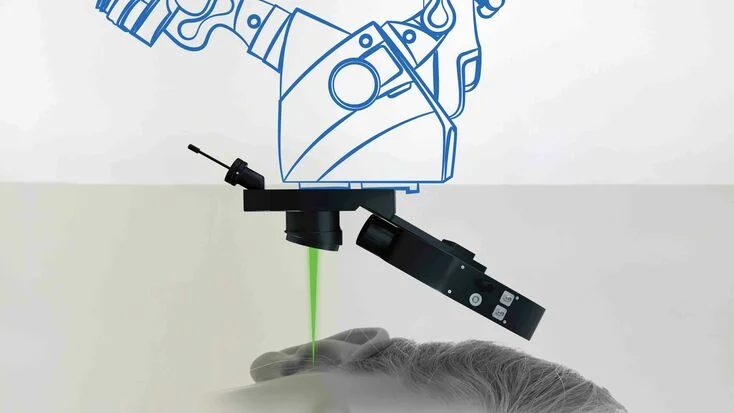
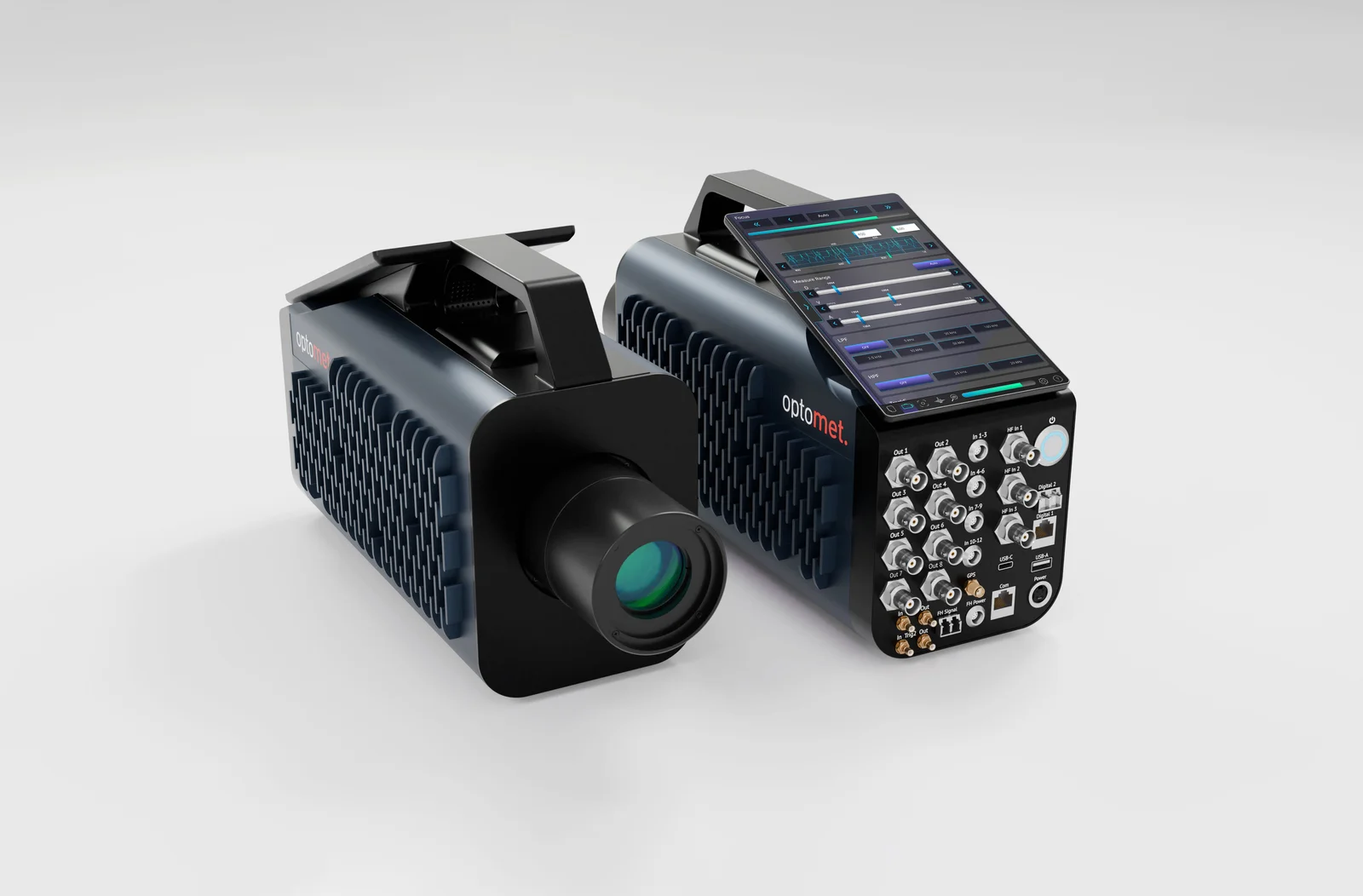
The Optomet single-point laser vibrometer line covers laser Doppler vibrometers (LDV) that measure vibration at a single point on a surface without contact. A laser beam is directed at the measurement point, and the Doppler shift of the reflected light is evaluated in an integrated interferometer to determine the velocity, displacement and acceleration of that point.
Because the measurement is optical, no sensor is mounted on the object. This avoids adding mass to the test object and allows measurement on lightweight, small, hot, rotating or moving surfaces. Most measurements are one-dimensional (along the beam direction); 3D vibration at a single point is possible with the fiber-coupled 3D configuration.
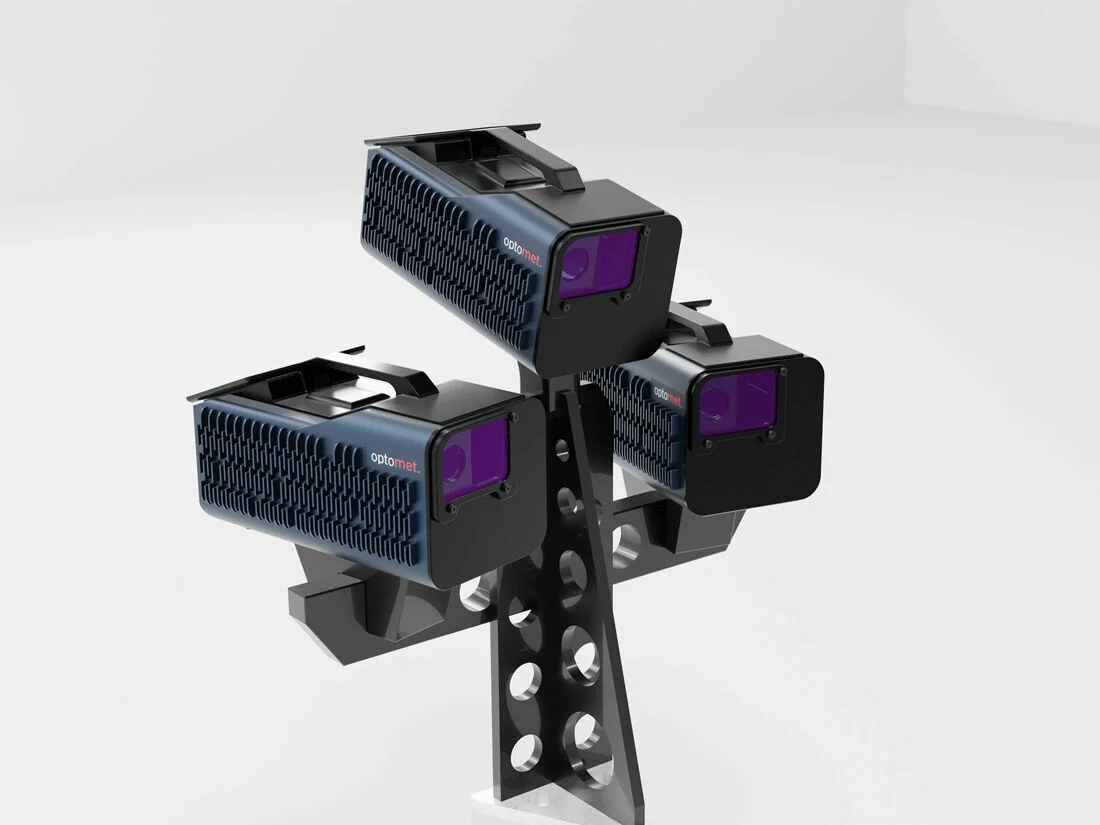
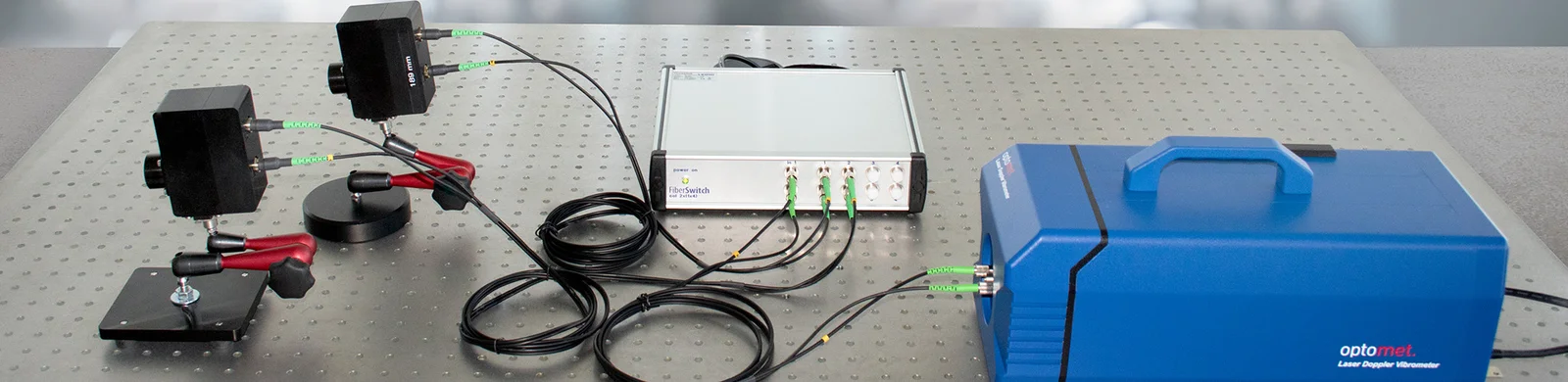
The line is split into two series. The SMART Series comprises the SMART Single+, the SMART Multi-Fiber (up to four simultaneous fiber-coupled points) and the SMART 3D-Fiber, controlled with the SMART Lab software. The CLASSIC Series comprises the Nova-Series, the long-distance Nova-Xtra (up to 300 m), the Fiber-Series and the Fiber-Multiplex, controlled with OptoGUI. SMART devices support simultaneous multi-point measurement, while CLASSIC devices switch between points sequentially.
Across the line, the frequency range extends from DC to 50 MHz, velocity up to 50 m/s, and displacement resolution down to about 0.05 pm in the best case, with sampling rates up to 312 MSamples/s. Standard devices measure at working distances from millimeters to several meters; the Nova-Xtra extends this to 300 m.
Applications
- End-of-line quality assurance
- Vibration analysis on machine components
- Structural investigations of buildings, bridges and railways
- Analysis of MEMS components
- Acoustic measurements on loudspeakers and microphones
- Inspection of rotating tools and drives
- Modal analysis and resonance characterization
Technical Specifications
- Method: laser Doppler vibrometry (LDV), non-contact
- Measured quantities: velocity, displacement, acceleration
- Measurement point: single point (1D); 3D measurement at one point with the 3D-Fiber configuration
- Frequency range: DC to 50 MHz
- Velocity: up to 50 m/s
- Displacement resolution: down to 0.05 pm (best case)
- Sampling rate: up to 312 MSamples/s
- Standard devices: millimeters to several meters
- Nova-Xtra (long-distance): up to 300 m
- SMART Single+: single-point vibrometer with integrated data acquisition and signal generator
- SMART Multi-Fiber: up to 4 simultaneous fiber-coupled measurement points
- SMART 3D-Fiber: 3D vibration measurement at one point via fiber coupling
- Software: SMART Lab
- Nova-Series: single-point vibrometer
- Nova-Xtra: long-distance variant (up to 300 m)
- Fiber-Series: fiber-coupled vibrometer
- Fiber-Multiplex: sequential switching between fiber-coupled points
- Software: OptoGUI
- Ethernet: 1-10 Gbit/s
- Analog outputs: ±2 V
- Digital interfaces
Documents & Downloads
Frequently Asked Questions
What is a single-point laser vibrometer?
What quantities and ranges does the single-point line cover?
How does it differ from a contact sensor such as an accelerometer?
What is the difference between the SMART and CLASSIC series?
What working distances are possible?
What is single-point laser vibrometry used for?
Request a quote for Single-Point Laser Vibrometer - Optomet
Fill out the form, give us a call or send an email and we will contact you as soon as possible.